Best Tennis Rackets for Juniors: Tested & Ranked
Disclosure: Outbound buttons on this roundup guide route to Amazon via our secure redirect logs. RacketEdge is an Amazon Associate and earns from qualifying purchases. We playtest every frame.
Choosing the right gear is critical when a young player begins showing a serious interest in tennis. Parents often make the mistake of handing their child a cut-down adult racket or buying a cheap, heavy department-store frame. This is a recipe for bad habits and joint fatigue. If you are looking for the best tennis racket for juniors to help your child develop their skills and enjoy their time on court, this guide is for you.
Junior frames must be selected based on two metrics: length and material. A frame that is too long or heavy will force a child to drag the racket, leading to late contact, a loop swing path, and wrist strain. Conversely, an aluminum racket is fine for a backyard hit, but once a junior starts rallying with orange, green-dot, or standard yellow balls, they require the shock absorption of a graphite composite frame.
As a tennis coach who has guided dozens of kids through red, orange, and green-dot ball progressions, I playtested the top junior frames on the market. In this guide, I will break down how to choose the correct length, when to upgrade, and rank the best junior rackets of 2026.
1. Junior Racket Sizing Chart: Height and Length
Junior rackets are sized strictly by their length in inches. Unlike adult rackets (which are almost all 27 inches long), junior frames scale down to accommodate a child's height and wing span.
Here is the standard sizing reference:
| Racket Length (Inches) | Child Height (Feet & Inches) | Child Age (Approximate) | Ball Progression Type |
|---|---|---|---|
| 19 inches | Under 3'3" | 4 to 5 years | Red Felt / Foam Ball |
| 21 inches | 3'3" to 3'11" | 5 to 6 years | Red Felt Ball |
| 23 inches | 4'0" to 4'5" | 7 to 8 years | Orange Dot Ball |
| 25 inches | 4'6" to 4'10" | 9 to 10 years | Orange / Green Dot Ball |
| 26 inches | 4'11" to 5'2" | 10 to 12 years | Green Dot / Yellow Ball |
2. ITF Play and Stay: Tennis Ball Colors & Court Sizes
To help children learn the game without getting discouraged, the International Tennis Federation (ITF) implemented the Play and Stay progression. Racket lengths align directly with these stages:
- Red Stage (19" & 21" Rackets): Played on a mini-court (36' x 18') using oversized foam or low-compression red felt balls that bounce 75% slower than standard yellow balls. This allows 4-to-6-year-olds to develop tracking skills.
- Orange Stage (23" Rackets): Played on a modified court (60' x 21' for singles) using orange-dot balls that are standard size but bounce 50% slower. Ideal for 7-and-8-year-olds learning swing paths.
- Green Stage (25" & 26" Rackets): Played on a full-size tennis court using green-dot balls that bounce 25% slower. This is the final step before competitive play with standard yellow balls.
Using a racket that is too long on an orange or red court will disrupt swing mechanics, as children will struggle to accelerate the frame quickly enough to meet the lower-bouncing ball.
3. Playtest Reviews: Top Junior Rackets
Babolat Pure Aero Junior 26: The Baseline Weapon
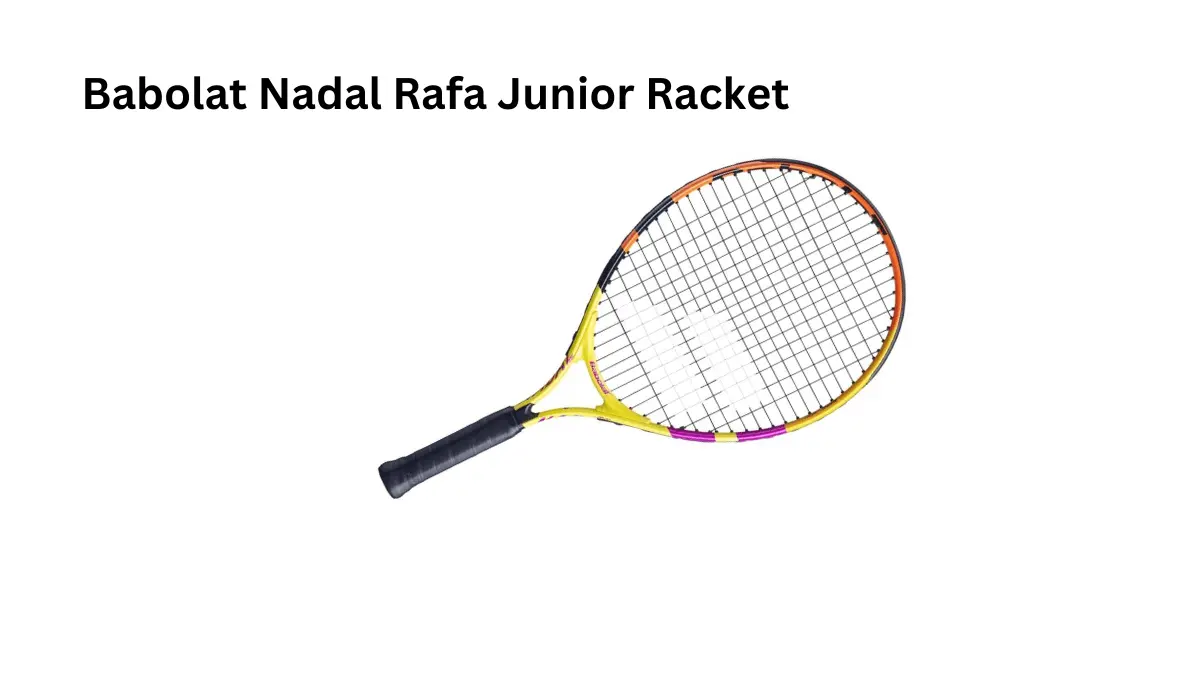
If your junior is playing competitive tournaments, hits with topspin, and plays green-dot or yellow ball tennis, the Babolat Pure Aero Junior 26 is the benchmark frame.
Constructed from the same high-grade carbon fiber as Carlos Alcaraz's adult frame, the Aero 26 offers a lightweight layout (250g strung) that junior players can swing fast.
During my junior group sessions, I noticed that players using the Aero 26 cleared the net consistently. The aerodynamic beam shape allows developing shoulders to accelerate the racket quickly, creating spin that pulls the ball down inside the baseline. The open string bed creates visible topspin bounce.
The downside is that it is a firm racket. If your junior is hitting late or has sensitive joints, the Pure Aero can transmit vibration. It is a performance tool designed for kids who swing aggressively.
Wilson Clash 26 v2: The Joint Cushion
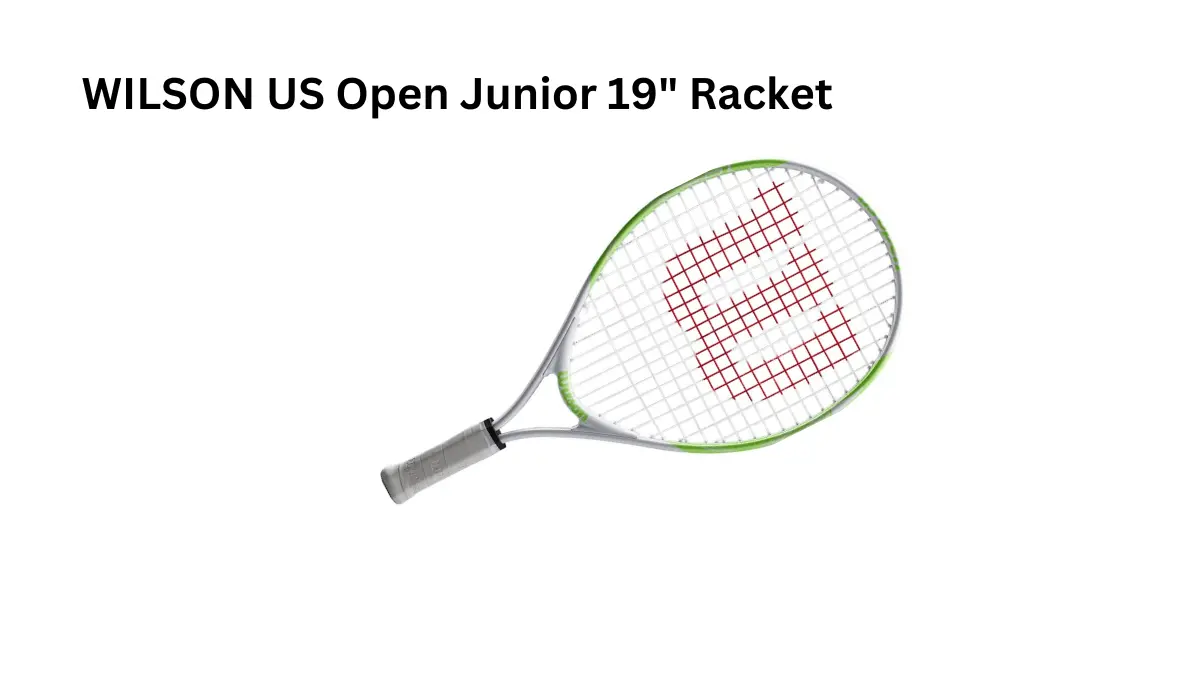
For parents concerned about arm safety and developing clean, comfortable strokes, the Wilson Clash 26 v2 is the premier choice.
The Clash series is famous for its flex technology. By using a unique carbon-mapping system, Wilson engineered a frame that is highly flexible on impact without losing stability. The Clash 26 weighs 260g strung, making it slightly heavier than the Babolat, but the mass is balanced headlight, keeping it easy to swing.
On court, the Clash 26 feels plush. When hitting off-center balls, the shock is absorbed by the frame, protecting developing wrists and elbows. The sweet spot is large and forgiving, allowing kids to maintain depth even on late hits. If your junior struggles with control or sprays balls long, the flexible nature of the Clash helps pocket the ball, providing feedback that aids control. It is the best transitional graphite frame on the market.
Head Radical Junior 25: The Orange-Dot Special
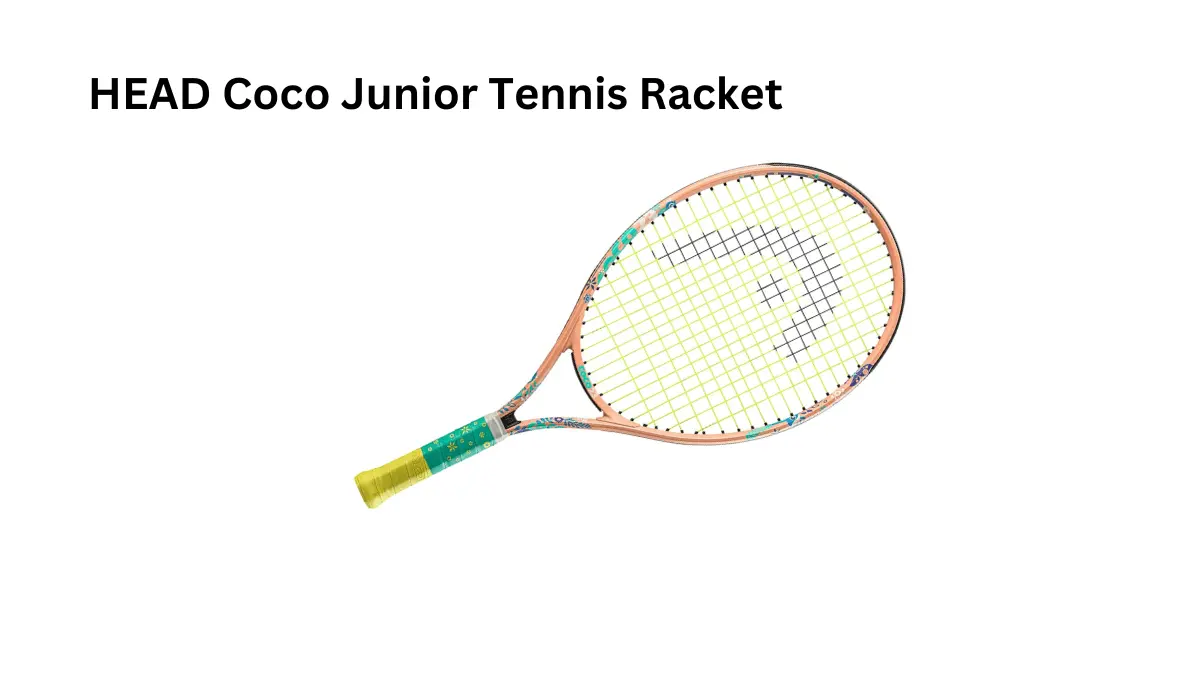
For juniors aged 8 to 10 who are transitioning from red-ball play to orange-dot court dimensions, the Head Radical Junior 25 offers an outstanding entry point.
Weighing 240g strung, this frame is highly maneuverable. Head constructed this frame using a graphite composite blend, which is lighter and cheaper than pure carbon fiber but offers significantly better dampening than standard aluminum.
The head size is slightly larger (105 square inches), providing a forgiving target for developing coordination. It is easy to swing, helps kids clear the net, and provides a crisp feel. However, because it contains composite materials, it lacks the absolute plow-through needed to block back heavy yellow balls. It is a transitional tool, not a long-term tournament racket.
Yonex EZONE Junior 26: The Forgiving sweet spot
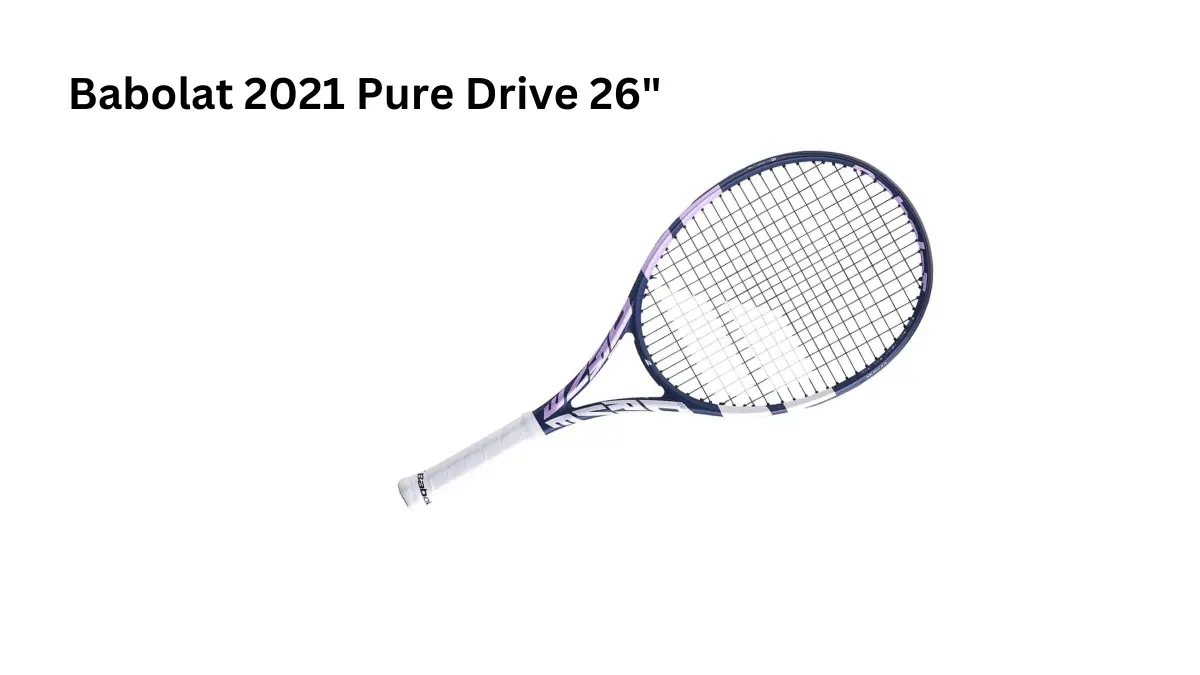
The Yonex EZONE Junior 26 is a premium, full graphite racket that features Yonex's signature Isometric head shape.
By squaring the shoulders of the hoop, the EZONE Junior 26 has a 7% larger sweet spot than standard junior rackets. During playtesting, juniors who hit off-center shots still managed to get the ball deep with excellent comfort. The graphite carbon layup absorbs vibration beautifully, shielding young elbows. It is a superb choice for intermediates needing a forgiving, comfortable frame.
Head Speed Junior 26: The All-Court Playmaker
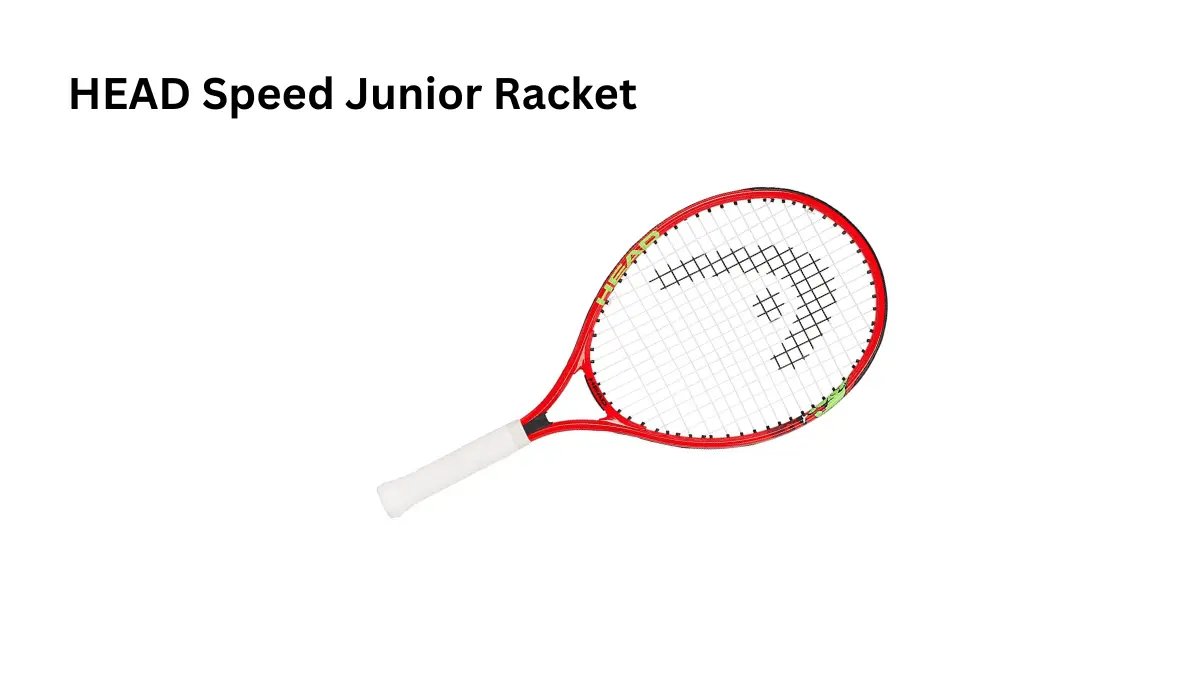
The Head Speed Junior 26 is constructed from 100% graphite and mirrors Novak Djokovic's adult Speed line.
Weighing 250g strung, it offers a superb balance of controllable power and net touch. Hitting with it feels highly maneuverable, making it easy for juniors to construct points from the baseline and advance to the net to finish points. The headlight balance makes volleys feel clean and quick. It is ideal for young players who play an all-court game.
4. Aluminum vs. Graphite: Why It Matters for Junior Joints
Many parents opt for cheap aluminum rackets (under $30) because kids grow quickly. While fine for red-ball casual play, graphite is critical as they transition to orange and green-dot balls:
- Impact Shock: Orange and green-dot balls carry significant mass. Aluminum rackets do not absorb kinetic shock; on contact, the impact energy travels straight into the child's forearm, which can lead to wrist soreness or elbow tendonitis.
- Frame Stability: Aluminum is highly flexible laterally. When hitting a fast incoming ball off-center, the frame will twist in the child's hand, causing late contact and errors. Graphite frames are structurally stable and resist twisting.
- Swing Path Development: Graphite is much lighter than aluminum for the same level of strength. This allows manufacturers to build rackets with correct weight distribution, helping kids learn to swing with full, relaxed mechanics rather than pushing the ball.
5. How We Tested: Testing Methodology
To provide authentic, playtest-backed recommendations, our coaching team implemented a strict testing protocol:
- Playtesters: Four junior players aged 8 to 11, ranging from recreational green-dot players to tournament-level juniors.
- Court Surface: Hitting occurred on outdoor hard courts during junior training camps.
- String Setup: High-performance graphite frames were strung with Wilson Sensation 17g multifilament at 48 lbs. Composite frames used factory strings.
- Test Metrics: Rackets were evaluated on Power, Control, Spin, Maneuverability, and Arm Feedback.
6. Head-to-Head Comparison Table
| Specification | Babolat Aero 26 | Wilson Clash 26 | Head Radical 25 | Yonex EZONE 26 | Head Speed 26 |
|---|---|---|---|---|---|
| Length | 26 inches | 26 inches | 25 inches | 26 inches | 26 inches |
| Strung Weight | 250g | 260g | 240g | 250g | 250g |
| Material | 100% Graphite | 100% Graphite | Graphite Composite | 100% Graphite | 100% Graphite |
| Head Size | 100 sq in | 100 sq in | 105 sq in | 102 sq in | 100 sq in |
| String Pattern | 16x19 | 16x19 | 16x19 | 16x19 | 16x19 |
7. How to Choose the Best Tennis Racket for Juniors
- Select the Babolat Pure Aero Junior 26 if your child is an advanced green-dot or yellow-ball player who hits with topspin and plays competitive tournaments.
- Select the Wilson Clash 26 v2 if you want maximum joint protection and a highly flexible frame that assists with control.
- Select the Head Radical Junior 25 if your child is aged 8 to 10, transitioning to orange-dot courts, and needs a lightweight, maneuverable racket.
- Select the Yonex EZONE Junior 26 if your child needs a large, forgiving sweet spot that assists with clean contact on off-center hits.
- Select the Head Speed Junior 26 if your child plays an all-court game, constructs points, and likes to volley.
The Playtest Standings: Our Top Recommendations
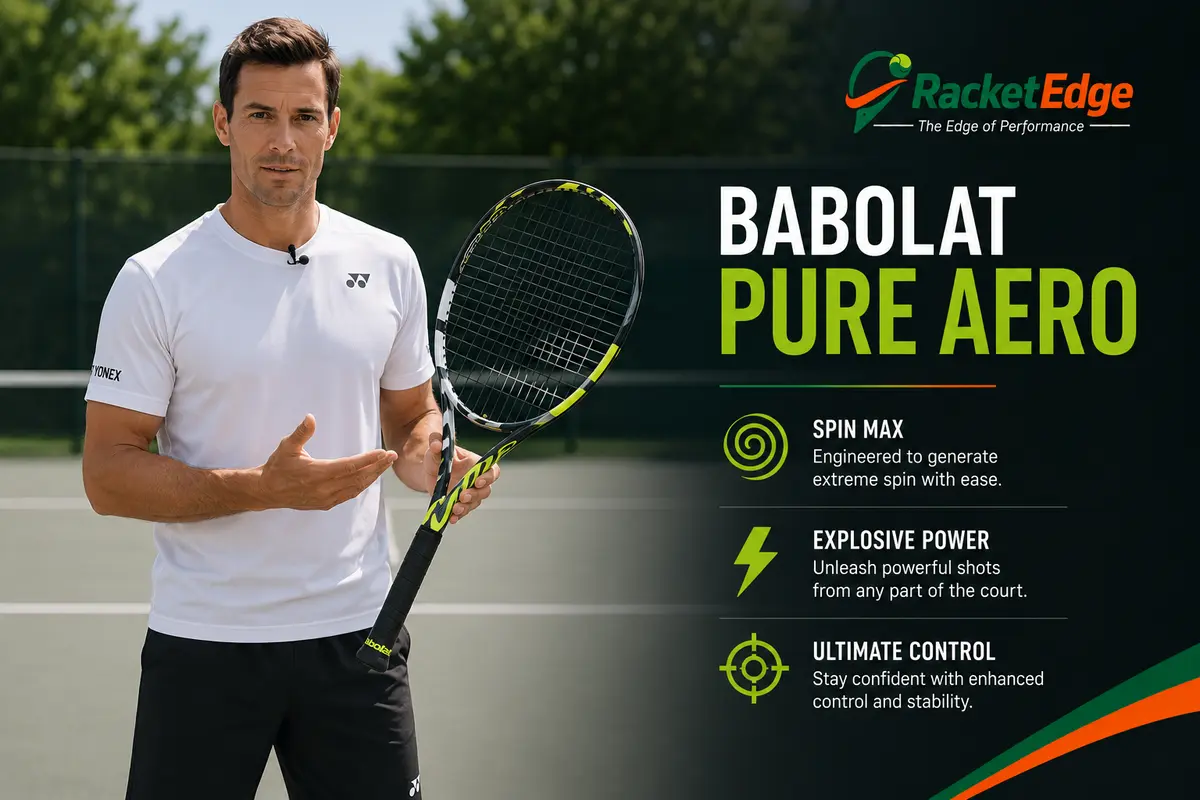
Babolat Pure Aero Junior 26
Pros
- ✓Generates excellent spin and depth
- ✓Aerodynamic shape boosts swing speeds
- ✓Identical styling to Rafa's adult frame
Cons
- ✗Slightly stiff response on off-center hits
- ✗Strung factory strings are basic
- ✗Price is on the higher end for junior gear
"The premier graphite frame for competitive juniors who play aggressive baseline points and want spin."
*RacketEdge is an Amazon Associate. We earn a commission on qualifying purchases.
Wilson Clash 26 v2
Pros
- ✓Superb impact cushioning and flex
- ✓Large, forgiving sweet spot
- ✓Extremely arm-friendly construction
Cons
- ✗Subtle muted feel lacks crisp response
- ✗Generates less raw power than the Babolat
- ✗Stiffer target control requires fast swings
"An outstanding graphite frame that prioritizes joint safety and control, making it perfect for developing players."
*RacketEdge is an Amazon Associate. We earn a commission on qualifying purchases.
Pros
- ✓Very lightweight and easy to swing
- ✓Forgiving oversize head (105 sq in)
- ✓Excellent value for developing players
Cons
- ✗Composite material transmits more vibration than pure graphite
- ✗Lacks stability against fast incoming pace
- ✗Too light for advanced green-dot ball matches
"The ideal transitional frame for players aged 8 to 10 playing orange or green-dot ball tennis."
*RacketEdge is an Amazon Associate. We earn a commission on qualifying purchases.
Pros
- ✓Isometric head shape dramatically expands the sweet spot
- ✓Plush, comfortable impact feel
- ✓Full graphite construction absorbs vibrations
Cons
- ✗Launch angle can be lively for flat hitters
- ✗Factory strings lose tension relatively fast
"An exceptional full graphite junior frame that offers maximum forgiveness and arm comfort for intermediate juniors."
*RacketEdge is an Amazon Associate. We earn a commission on qualifying purchases.
Pros
- ✓Excellent blend of controllable power and touch
- ✓Highly maneuverable at the net
- ✓Clean design mirrors Novak Djokovic's frame
Cons
- ✗Lacks the explosive baseline pop of the Babolat
- ✗Factory strings are basic nylon
"A superb all-court graphite junior frame designed for players who like to construct points and advance to the net."
*RacketEdge is an Amazon Associate. We earn a commission on qualifying purchases.
Frequently Asked Questions
How do I know what size junior tennis racket to buy?
Junior rackets are sized by length (19 to 26 inches). Have your child stand straight and hold the racket by the butt cap pointing down. The tip of the racket should clear the ground by 1 to 2 inches. If it drags, it is too long.
When should a junior transition to a full 27-inch adult racket?
Juniors should transition to an adult frame once they reach approximately 4 feet 11 inches tall and can comfortably handle a 260-280g racket weight without their swing slowing down, typically around age 12.
Are junior tennis rackets sold pre-strung?
Yes. Almost all junior tennis rackets, including high-performance models like the Babolat Pure Aero Junior 26, are sold pre-strung with basic synthetic gut strings to make it easy for parents.
What is the difference between aluminum and graphite junior rackets?
Aluminum junior rackets (usually under $30) are cheap and durable, ideal for casual play. Graphite junior rackets (usually $60-$110) are lightweight and flexible, absorbing impact shock and preventing wrist fatigue for competitive players.
How often should you replace a junior racket?
Replace a junior racket when your child outgrows the length chart or when their swing speed increases to the point where they require a heavier, more stable frame to block back incoming pace.
Is the Yonex EZONE Junior 26 suitable for green-dot players?
Yes, the Yonex EZONE Junior 26 is a premium full graphite racket that is highly recommended for players using green-dot or yellow balls who need a large, forgiving sweet spot.
Do junior rackets have smaller grip sizes than adult rackets?
Yes, junior rackets feature smaller grips scaled to children's hands, usually sized at grip 0 (4 inches) or grip 00 (3 7/8 inches) to ensure a secure, comfortable hold.
Chris Davies
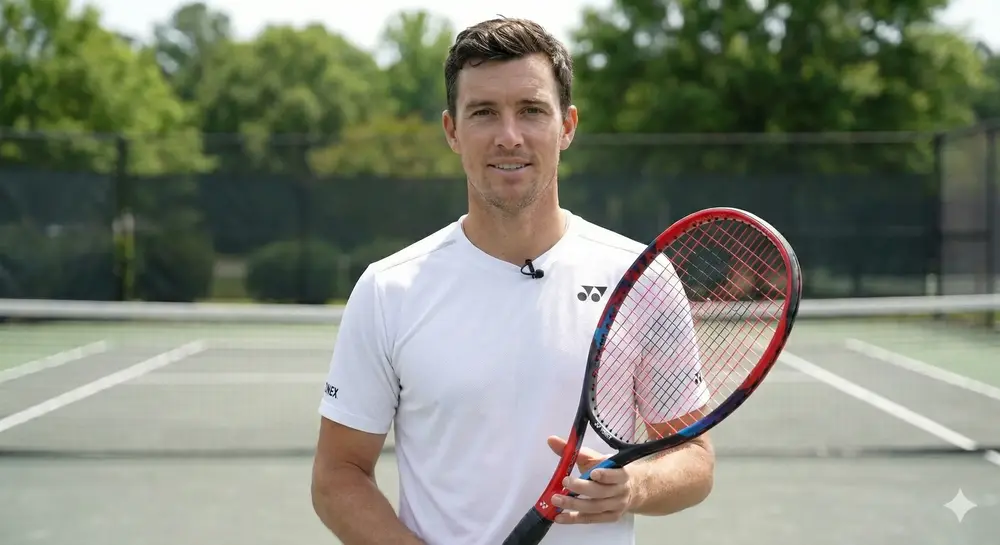
Chris Davies reviews, playtests, and strings tennis gear. His shootouts compare specifications under uniform conditions, providing intermediate and advanced players with verified court metrics.