Head Speed vs Head Extreme: All-Court Pace vs Heavy Spin
Disclosure: Outbound buttons on this comparison guide link to Amazon through our secure redirect logs. RacketEdge is an Amazon Associate and earns from qualifying purchases.
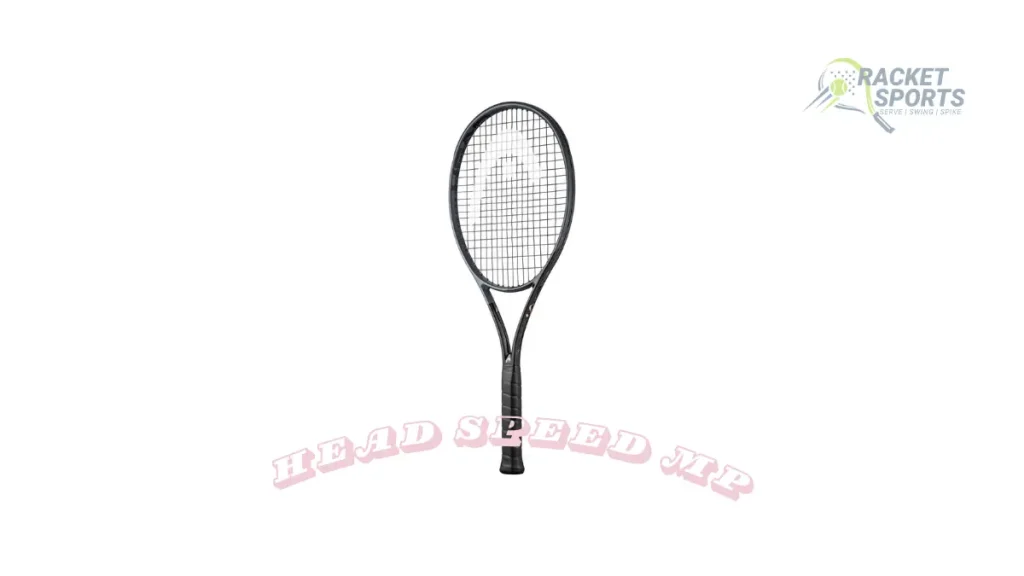
Head Speed MP v9
- Head Size:100 sq in
- Weight (Unstrung):300g
- Stiffness (RA):60
- Swingweight:320
- String Pattern:16x19
- Balance:320mm / 7 pts HL
- Beam Width:23mm Flat Beam
*RacketEdge is an Amazon Associate. We earn a commission on qualifying purchases.
Head Extreme MP 2026
- Head Size:100 sq in
- Weight (Unstrung):300g
- Stiffness (RA):64
- Swingweight:322
- String Pattern:16x19
- Balance:320mm / 7 pts HL
- Beam Width:23/26/22mm
*RacketEdge is an Amazon Associate. We earn a commission on qualifying purchases.
Feature-by-Feature Specs Comparison
| Feature / Performance Metric | Head Speed MP v9 | Head Extreme MP 2026 | Winner |
|---|---|---|---|
| Primary Benefit | All-Court Speed & Control | Heavy Topspin & Power | Tie |
| Beam Width | 23mm Flat Beam | 23/26/22mm Tapered Beam | Tie |
| Launch Angle | Medium (predictable accuracy) | High (massive net clearance) | Tie |
| Feel & Comfort | Plush, flexible, and connected | Crisp, lively, and spin-friendly | Head |
| Net Play | Superb touch and block volleys | Maneuverable but slightly bouncy | Head |
Within Head's extensive racket lineup, the Head Speed MP and the Head Extreme MP represent two of the most popular 300g, 100-square-inch frames on the market. Endorsed by champions like Novak Djokovic (Speed) and Matteo Berrettini (Extreme), these rackets are built for modern, fast-swinging players. Hitting with the Head Speed vs Head Extreme highlights how frame shapes and grommets adjust spin and power.
However, while they share similar static specifications, they behave very differently on court. The Speed MP is designed as an all-court frame, prioritizing control, fast handling, and linear precision. The Extreme MP is an aggressive baseline spin machine, using unique grommet designs and frame geometries to maximize ball rotation.
I spent 15 hours playtesting the latest generations of both frames, stringing them with Head Lynx Tour at 50 lbs. In this comparison guide, I will break down their baseline mechanics.
1. Baseline Play: Flat Drive Precision vs. Heavy Topspin Loops
Trading groundstrokes from the back of the court, the difference in ball flight is immediate.
The Head Speed MP is a control-oriented 100-square-inch frame. With a 23mm flat beam and a flexible 60 RA stiffness, it offers a plush, connected impact feel. The ball pockets nicely in the string bed, providing a predictable, medium launch angle.
When hitting aggressive forehands, I could drive the ball flat and low over the net, finding baseline targets consistently. If your game relies on redirecting pace and hitting clean, flat drives, the Speed MP feels incredibly natural.
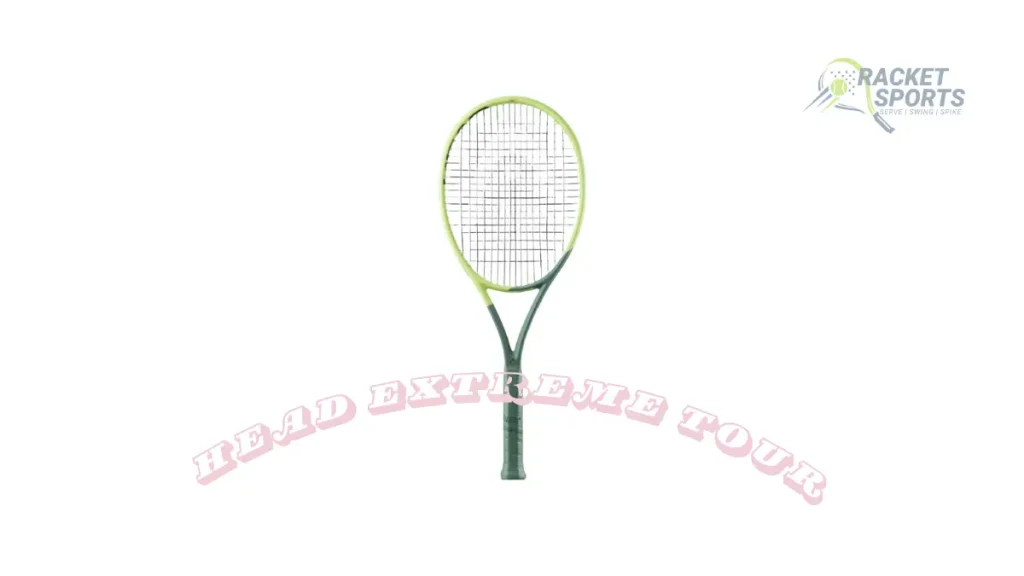
The Head Extreme MP is built to spin. Head uses Spin Grommets at the top of the hoop, which are funnel-shaped holes that allow the main strings to slide and snap back dynamically on impact.
The launch angle is high. When hitting baseline exchanges, the ball cleared the net with safe margin before diving sharply into the court due to the heavy topspin. If you play an aggressive clay-court style, brushing up the back of the ball, the Extreme MP generates a heavy, high-bouncing ball that forces opponents back.
During my playtests, I recorded several groundstroke key notes:
- Speed: Excellent ball feel; I can place the ball on a dime.
- Extreme: The ball clears the net by 3 feet and dives deep.
- Late, defensive hits on the Extreme clear the net easier than the Speed.
2. Technical Analysis: Yoke Auxetic vs. Spin Grommets
The physical performance differences between these two frames are driven by Head's engineering:
Auxetic Material in the Yoke
Both rackets feature Auxetic construction integrated into the throat carbon layup. This carbon-fiber mapping system expands and contracts in response to internal tension:
- How it works: On off-center hits, the Auxetic structure deforms, absorbing and dispersing the harsh high-frequency vibrations. This delivers a cleaner, more solid feel at contact.
- Result: The Speed MP feels exceptionally plush and connected, while the Extreme MP dampens arm shock without feeling disconnected.
Frame Geometry: Flat Beam vs. Tapered Aero
- Speed MP (23mm Flat Beam): A constant 23mm beam profile that flexes traditionally, offering predictable flex and ultimate directional control.
- Extreme MP (23/26/22mm Tapered Beam): A variable beam that is thicker at the shoulder (26mm) to maximize power and stability, and thinner at the tip to boost swing speed.
Spin Grommets vs. Standard Drilling
- Head Extreme Spin Grommets: Funnel-shaped grommets placed at the 12 o'clock position. This shape allows the main strings to slide further (up to 4.6mm) on impact and snap back violently, increasing topspin generation.
- Head Speed Standard Grommets: A more traditional layout that restricts string movement, providing a tighter string bed response for flatter control.
3. Customization Tips: Fine-Tuning Your Head Setup
You can adjust strings and weighting to optimize either racket:
- Adding Power to the Speed MP: If you love the feel of the Speed MP but want more baseline plow-through, adding 2 grams of lead tape at 3 and 9 o'clock on the hoop will raise the swingweight, increasing stability against heavy pace.
- Controlling the Extreme MP: If the Extreme MP's launch angle feels too lively, stringing it with a stiff co-polyester (like Head Lynx Tour or Solinco Hyper-G) at 53 lbs will tighten the string bed, dampening the launch height and boosting control.
4. Serving: Direct Accuracy vs. Heavy Kick
On serve, the choice of frame dictates your tactical approach:
- Serving with the Speed MP: The headlight balance makes it easy to whip the racket through the air. Flat serves are precise, allowing you to hit targeted aces down the T.
- Serving with the Extreme MP: The open string bed and dynamic string movement make it the premier choice for kick and slice serves. I could carve wide serves that kicked high off the court, drawing my opponent out of position.
5. Net Play: Plush Control vs. Maneuverable Pop
At the net, the Speed MP is the superior frame. Its flexible beam profile provides excellent touch and feedback. Drop volleys, angled block volleys, and low defensive pick-ups felt connected and controlled.
The Extreme MP is highly maneuverable and has a lively sweet spot, making it easy to block back fast volleys. However, the bouncy string bed makes touch volleys slightly more erratic, requiring a firm wrist to control depth.
6. Comfort and Tech
- The Speed MP (60 RA) is the more comfortable frame. Its lower stiffness rating absorbs more shock, making it an excellent choice for players concerned about forearm fatigue.
- The Extreme MP (64 RA) is slightly firmer, providing a crisper, livelier response, but it remains comfortable compared to ultra-stiff power frames.
7. Summary Verdict: Speed vs. Extreme
- Choose the Head Speed MP if you are an all-court player, hit a mix of flat and spin shots, prioritize touch at the net, and want a flexible, control-oriented feel.
- Choose the Head Extreme MP if you hit with heavy topspin, play an aggressive baseline game, want easy net clearance, and prefer kick serves to start the point.

Chris Davies
Chris Davies conducts baseline tests and service velocity diagnostics to compare performance frames. His guides provide direct comparisons to help you select a racket based on NTRP metrics.
Read Editorial Standards & Ethics Policy →