
As an Amazon Associate, RacketEdge earns from qualifying purchases. Affiliate Disclosure
Following professional tennis can feel like trying to crack a secret code. You turn on the television and the commentators throw around a massive alphabet soup of acronyms: ATP, WTA, ITF, USTA, LTA.
Who actually runs this sport?
If you compare tennis organizations to a traditional league like the NFL or the NBA, the structure is a complete mess. In basketball, one central office controls the schedule, the rules, and the players. In tennis, power is fractured across dozens of different independent governing bodies that constantly bicker with each other.
I test gear and write for RacketEdge, so I deal with this fractured system daily. Last year, I tried to register my nephew for a junior tournament. I had to navigate three completely different organization websites just to pay his entry fee. It is a genuine negative for the sport; this fragmented structure makes it incredibly hard for casual fans to follow the tour.
If you want to understand how professional rankings work, or who exactly writes the rulebook, you need to know who is in charge. This guide breaks down the global leaders, the regional directors, and the national associations.
The Quick Answer: Who Runs Tennis?
Professional tennis is governed by three primary global organizations, supported by a massive network of over 200 individual national associations.
- ITF (International Tennis Federation): They are the supreme law. They write the rules of the game and oversee the four Grand Slams.
- ATP (Association of Tennis Professionals): They run the men's weekly professional tour and control the men's world rankings.
- WTA (Women's Tennis Association): They run the women's weekly professional tour and control the women's world rankings.
If you just need the basic cheat sheet, there you go. However, the political reality of how these groups interact is much more complicated.
The International Tennis Federation (ITF)
The ITF is the overarching world governing body for the sport of tennis. Founded in 1913, they are the oldest and most powerful organization in the room.
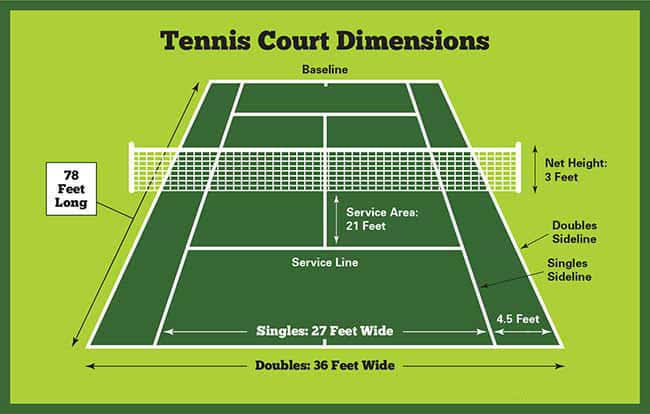
Their primary job is maintaining the integrity of the sport. The ITF writes the official rules. If someone wants to change the tennis let rule or alter the official tennis court dimensions, the ITF has to approve it.
They also handle the less glamorous duties: anti-doping programs, anti-corruption task forces, and equipment regulation. If I review a racket that hits the ball suspiciously fast, the ITF is the group responsible for testing that frame and banning it from competition.
The Grand Slams
The ITF’s biggest source of power and revenue comes from the Grand Slams. They officially sanction the Australian Open, the French Open, Wimbledon, and the US Open.
The ITF also organizes major international team events, specifically the Davis Cup (men) and the Billie Jean King Cup (women). They also govern wheelchair tennis and the tennis events at the Olympic Games.
The Professional Tours: ATP and WTA
While the ITF handles the Grand Slams, what do players do during the other 48 weeks of the year? They play on the professional circuits.
The ATP Tour
The Association of Tennis Professionals (ATP) was formed in 1972 by the male players themselves. They wanted more control over their prize money and tournament schedules.
The ATP runs the men's tour. They organize the weekly tournaments that happen in cities around the globe. They classify these events into tiers based on prestige and ranking points: ATP 250, ATP 500, and ATP Masters 1000.
Most importantly, the ATP manages the official men's world ranking system. When you hear that a player is the "World No. 1," that is an ATP designation based on points earned over a 52-week rolling period.
The WTA Tour
The Women's Tennis Association (WTA) was founded in 1973 by tennis legend Billie Jean King. Similar to the ATP, it was created to fight for equal prize money and better playing conditions for female athletes.
The WTA governs the women's professional circuit. They organize WTA 250, WTA 500, and WTA 1000 events. They maintain the official women's world rankings.
The Conflict Between the Tours and the ITF
Because the ATP/WTA control the weekly tour, and the ITF controls the Grand Slams, they are forced to collaborate. It rarely goes smoothly.
For example, professional players play the ATP tour all year, but they pause that tour four times a year to play the ITF Grand Slams. The ATP actually awards ranking points to players based on their performance in these ITF events. If the two organizations get into a political dispute, the ATP can threaten to strip ranking points away from a Grand Slam, essentially ruining the tournament. It is a constant tug-of-war for control of the sport.
National Associations
The ITF and the ATP handle the elite top 1% of the sport. But who builds the public courts? Who trains the juniors? That responsibility falls to the national tennis associations.
There are over 200 national associations affiliated with the ITF. They act as the local boots on the ground.
USTA (United States Tennis Association)
The USTA is the governing body for tennis in America. They own and operate the US Open in New York every single year. The revenue generated by the US Open is then funneled back into American tennis. They use that money to fund junior development programs, build public courts, and run local amateur leagues.
LTA (Lawn Tennis Association)
The LTA governs tennis in Great Britain. They are famous for partnering with the All England Club to stage the Wimbledon Championships. The LTA manages British national rankings, funds promising British prospects, and organizes grass-court warm-up events leading into Wimbledon. You can read about their programs on the LTA official site.
Tennis Australia (TA)
Tennis Australia manages the sport across the entire Australian continent. They host the Australian Open in Melbourne. They are deeply involved in promoting tennis participation at the grassroots level and developing top-tier Australian athletes for the pro tours.
Regional Governing Bodies
Between the global ITF and the national associations, there is one more layer: the regional bodies.
These organizations coordinate tennis activities across entire continents. The most prominent example is Tennis Europe. They manage European junior tours and regional professional events. If a kid in Spain wants to go pro, they will likely spend years grinding through Tennis Europe tournaments before they ever see an ITF or ATP draw.
Other regional bodies include the Asian Tennis Federation (ATF) and the Confederation of African Tennis (CAT).
How Do All These Bodies Affect You?
If you are just a recreational player, you might think none of this alphabet soup matters. You are wrong.
These organizations dictate exactly how you play the game locally.
When you sign up for a local club tournament, that tournament is likely sanctioned by your national body (like the USTA). That means you have to follow their specific rulebook, which is adapted from the ITF rulebook. If you disagree on how to score an ad court in tennis, you settle the argument using the rules published by these massive governing bodies.
Understanding the structure of the sport also makes watching it on television much more enjoyable. You start to realize why certain tournaments feel massive (Grand Slams) and why others feel like stepping stones (ATP 250s).
Frequently Asked Questions
The ITF acts as the ultimate authority and sanctions the Grand Slams. However, they partner heavily with the national bodies for daily execution. For example, the USTA handles the massive logistical challenge of running the US Open.
No. The All England Lawn Tennis Club (AELTC) is a private club that owns Wimbledon. The LTA simply partners with the AELTC to stage the tournament. The LTA receives a large portion of the Wimbledon profits to fund British tennis initiatives.
The ITF is the global governing body for the entire world. Tennis Europe is a regional body specifically for European nations. Tennis Europe operates directly under the larger umbrella of the ITF.
No. The USTA has zero control over the ATP tour. The USTA only governs tennis inside the borders of the United States. The ATP is an independent international organization that represents male professionals globally.
The International Tennis Federation (ITF) makes and maintains the official rules. They control court dimensions, racket specifications, and scoring formats. The ATP, WTA, and USTA must all follow these exact global rules. An individual tour cannot change the basic laws of the sport.
Yes, professional players regularly cross between the circuits. Lowerranked players grind through ITF "Futures" events to earn their first ATP points. Top professionals play the ATP weekly tour all year long, and then pause to play the four ITF Grand Slams. The organizational structure of tennis is confusing, political, and deeply flawed. But it is the system we have. Learn the acronyms, follow the tours, and enjoy the tennis. See you on the court.